Dr. K. N. R. Tejaswi
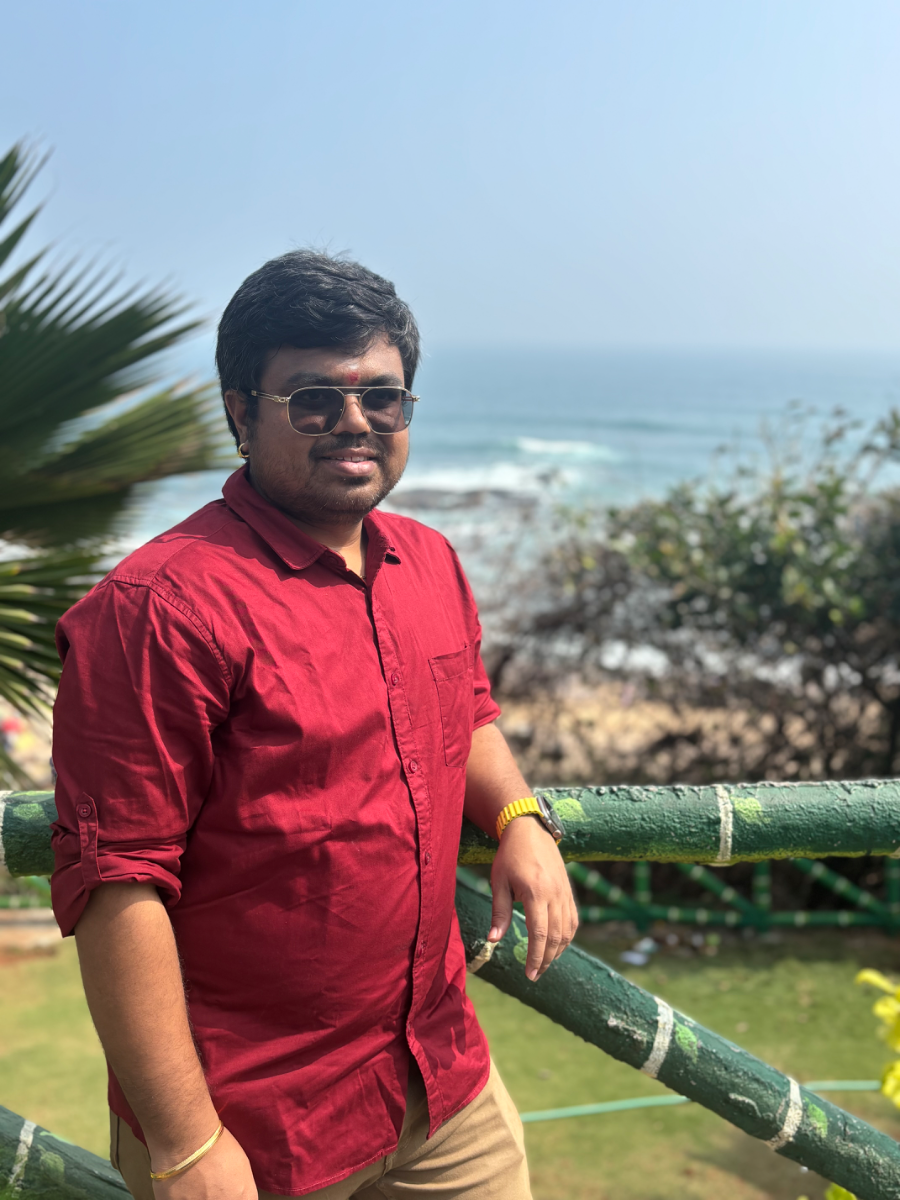
A quantum physicist, a Carnatic flautist, an author on Vedic subjects — and a student of Saṃskṛtam who sat the examinations before he taught a word of it.
He holds a PhD in Quantum Physics from Ireland, is an alumnus of IIT Madras, and has published three books on the Indian scriptural tradition. He teaches physics the way he came to love it — where the rigour of modern science meets the depth of Indian thought. Deva Bhāṣā is that same instinct turned on a language.
Three levels, three sittings, no repeats
Registration 5959
Sanskrit came to him long before any certificate did — through years of reading the scriptures in the original, closely and for their own sake. The examinations came later, and for a different reason: to be formally qualified to teach those who want to learn. So he sat the Sanskrit examinations of Saṃskṛta Bhāratī — the organisation that has done more than any other to put the language back into people's mouths — and cleared three of its four levels in three consecutive sittings. The examinations are held twice a year, each level six months of study. His were February 2025, August 2025 and February 2026.
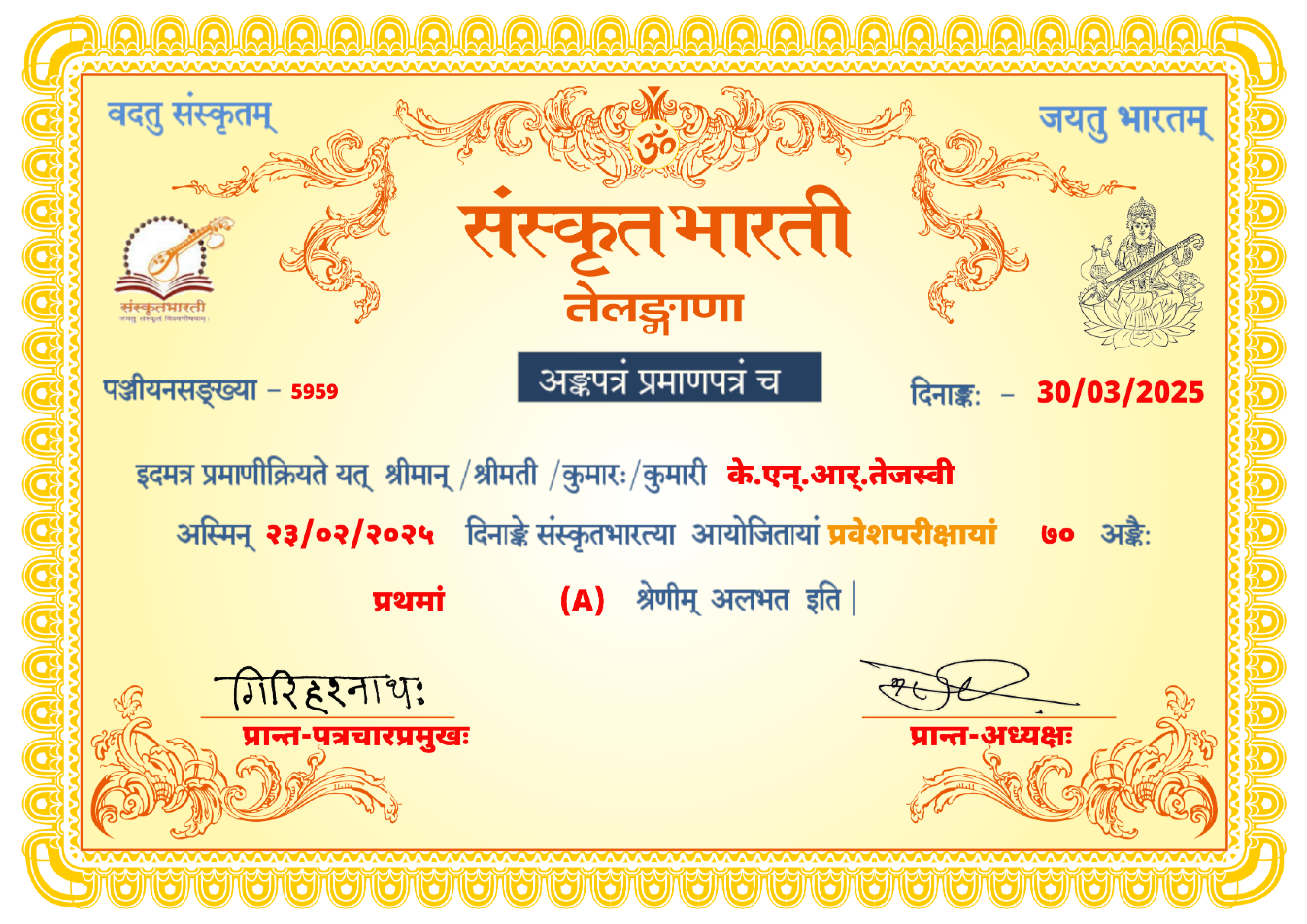
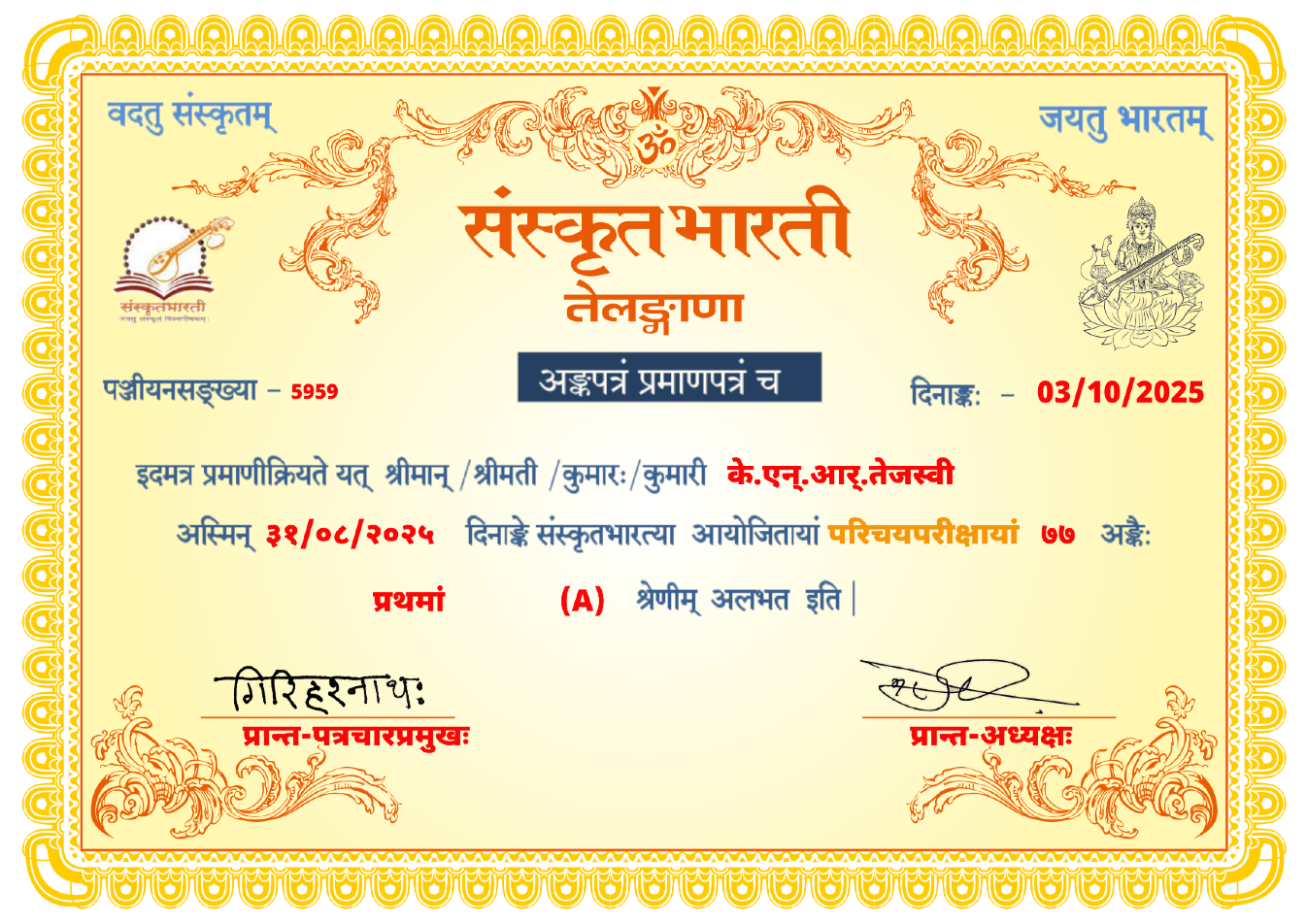
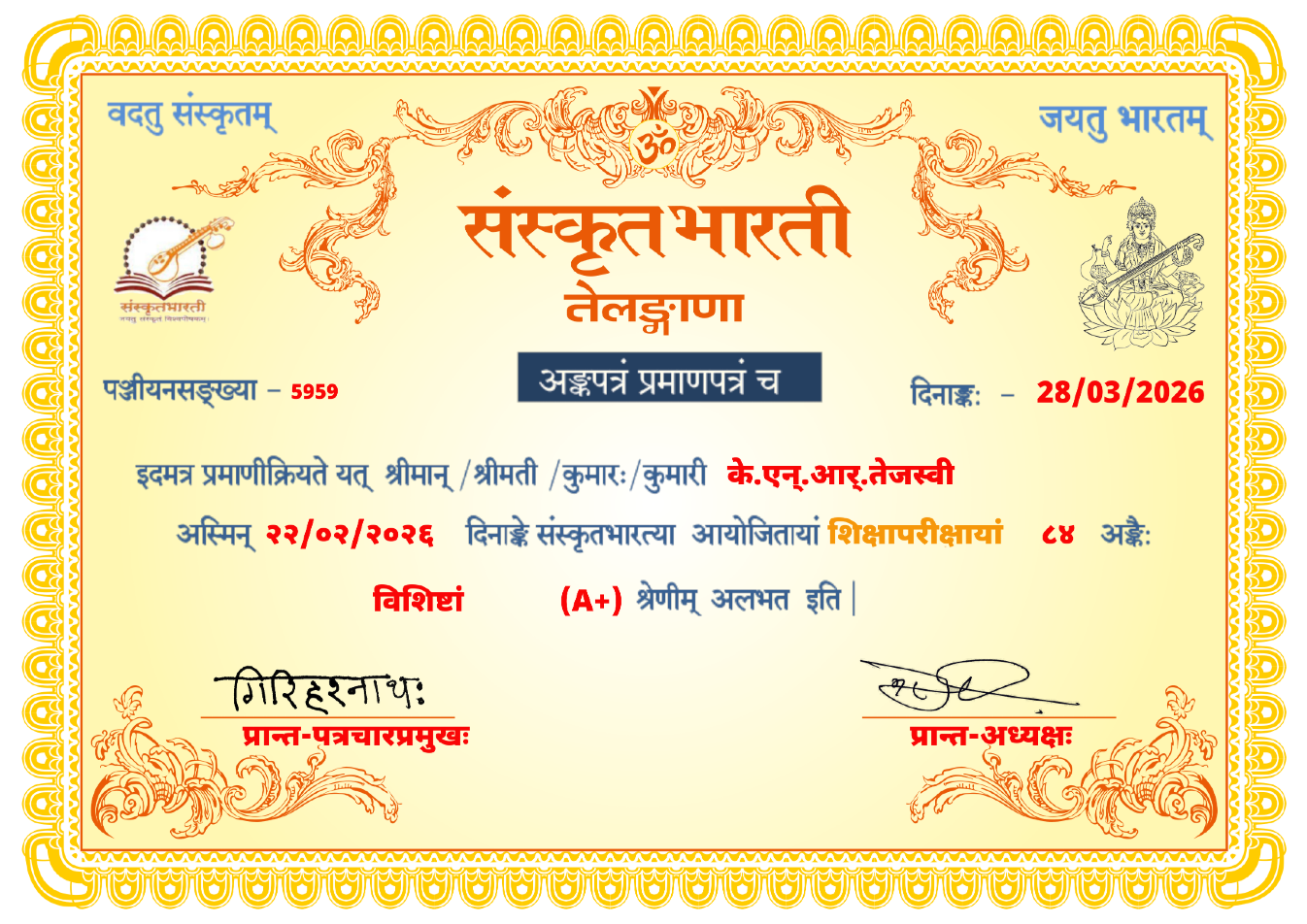
One level remains — कोविदः, which Saṃskṛta Bhāratī treats as the completion of the course. He sits it at the next examination.
Saṃskṛta Bhāratī is a non-profit with a single purpose: to make Sanskrit a language people speak again, rather than one they decline on paper. The movement began in 1981 with a ten-day spoken-Sanskrit camp in Jayanagar, Bengaluru; the national organisation was established in New Delhi in 1995, and its international centre, Akṣaram, stands in Bengaluru. More than a lakh of those ten-day camps have since been held in India and abroad, run very largely by volunteers.
Its correspondence course is the ladder those three certificates come from — प्रवेशः, परिचयः, शिक्षा, कोविदः, six months apiece, examined every February and August at centres across the country.
The reason it matters here is method, not paperwork. Saṃskṛta Bhāratī's whole claim is that Sanskrit is learnt by speaking it from the first day and not by parsing it for years first. That is the conviction this school is built on, and the tradition Dr. Tejaswi learnt in.
Teaching is an art that kindles passion — not an exercise in emptying material into young minds.
He has taught undergraduates, JEE aspirants, AP and IB students and gifted learners across the world, and has learned to read how each student thinks and adapt to it. His classes run online on a graphic tablet and pen, so every derivation, diagram and worked problem is written out live, the way it would be on a blackboard.
He also built an interactive physics platform of his own, where students drag, tune and watch rather than only read: 56 lab modules, 30 chapters of full derivations, an exam bank of over 2,600 questions, and his own textbook Physics by Intuition running through it. A student who has spent ten minutes pushing an oscillator to its extremes understands it differently from one who has only met the final formula.
Deva Bhāṣā is that method turned on a language. Hear it first, take the meaning from what is happening, say whole phrases early and fearlessly, and let the grammar be felt long before it is named.
Scriptures, and three books
His interest in the Indian scriptural tradition is long-standing and unhurried — the Vedas, Upaniṣads, Purāṇas, Itihāsas, Yoga, Vedic astrology and the Bhagavad Gītā. He has published three books, on the Puruṣa Sūktam, the Lalitā Sahasranāma, the Māṇḍūkya Upaniṣad, the Yoga Sūtras of Patañjali and the Nāsadīya Sūkta, available through Amazon and Notion Press. His approach brings scientific and contemplative perspectives together, in the spirit of those scientists who have recognised the meeting point of Western science and Eastern philosophy.
He has served as part-time faculty at the Kriya Tantra Institute, USA, teaching structured online courses on the Gītā, the Yoga Sūtras and Mantra Śāstra (Vāk), and has taught as an online guest lecturer at LNMIIT, Jaipur, for the Indian Knowledge Systems course now mandated by the UGC across engineering universities.
The flute
He has learned and performed the Carnatic flute for over twelve years, and teaches it from the fundamentals through to kṛtis — for absolute beginners as much as for players refining an existing practice.
Being an engineer, a physicist, a musician and a student of philosophy at once brings a certain vibrancy to a class. Students tend to remember the subject better for it.
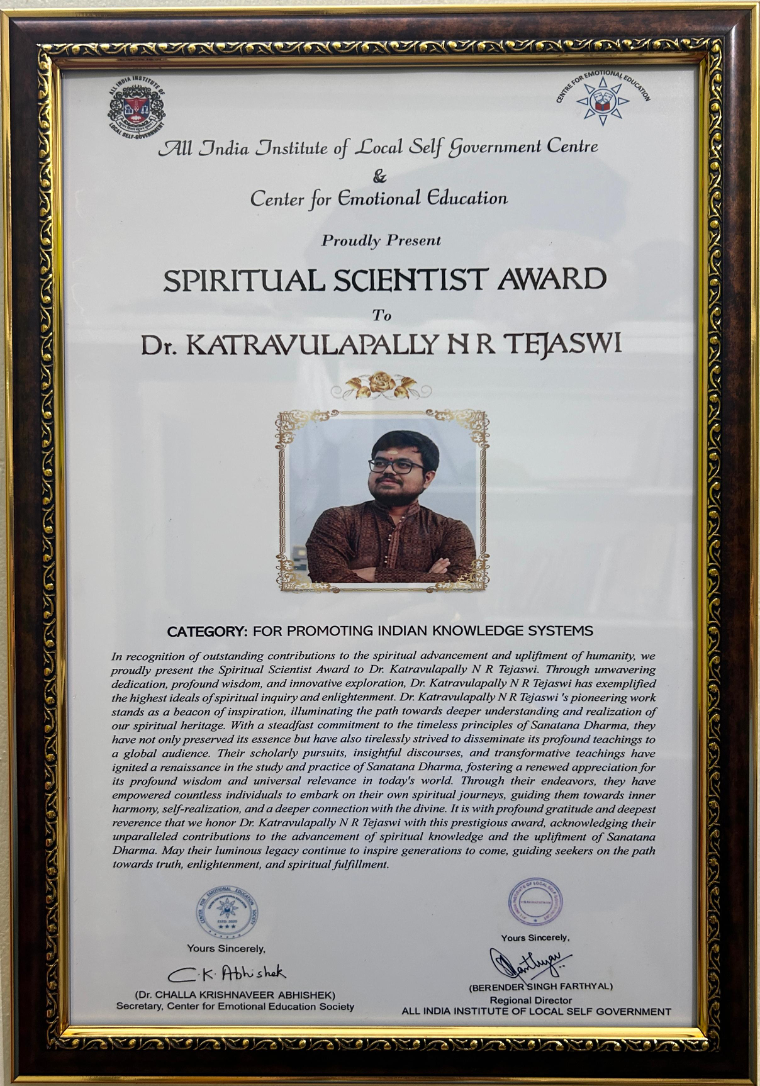
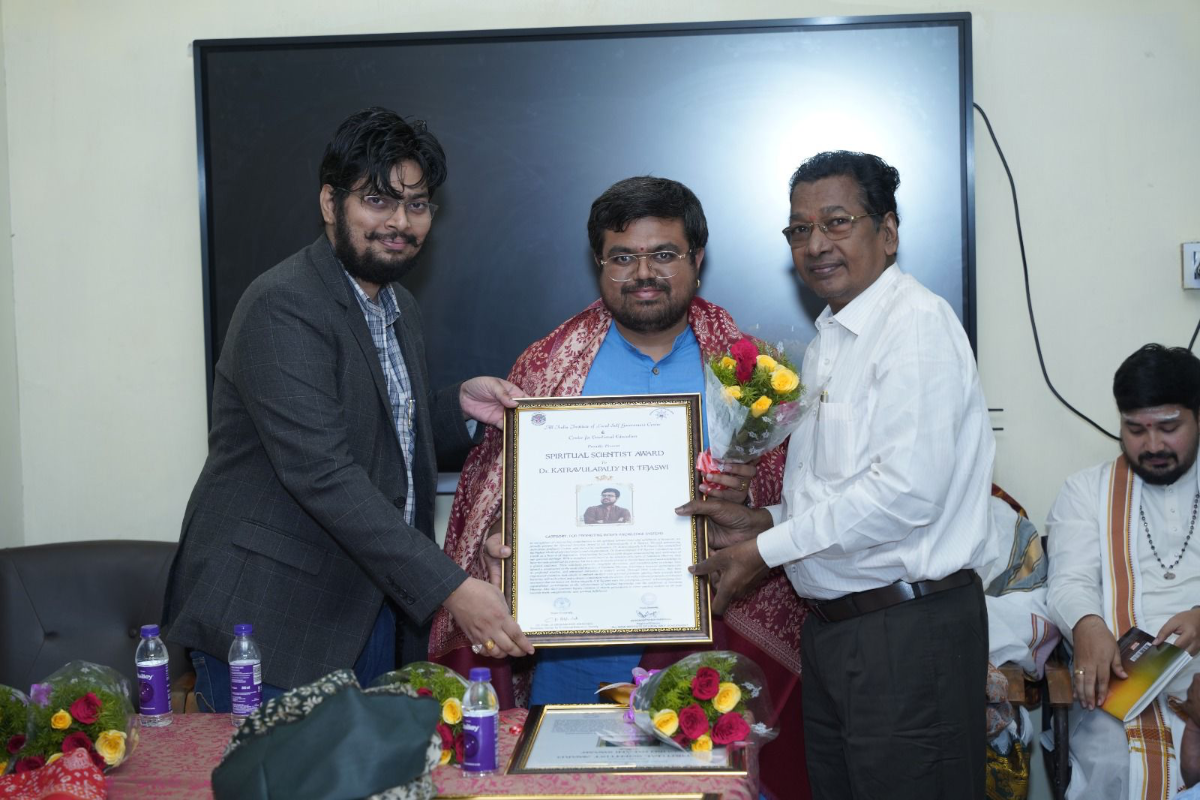
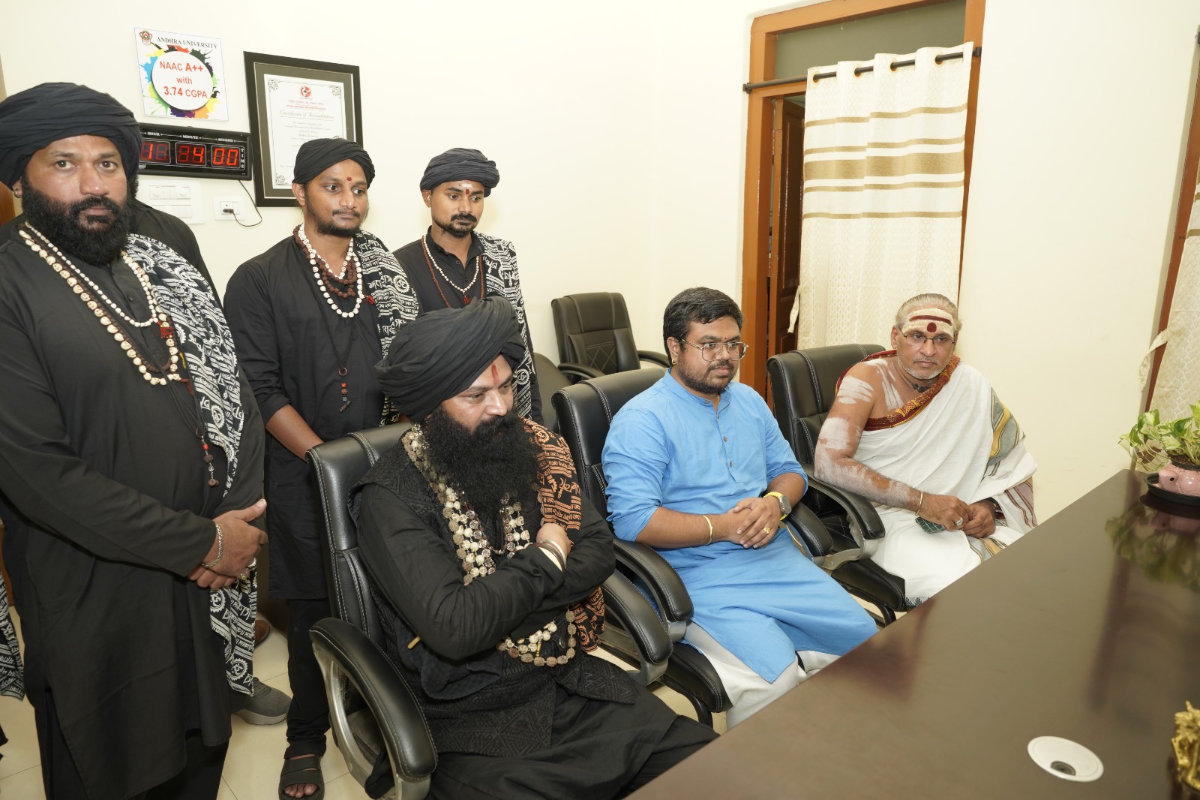
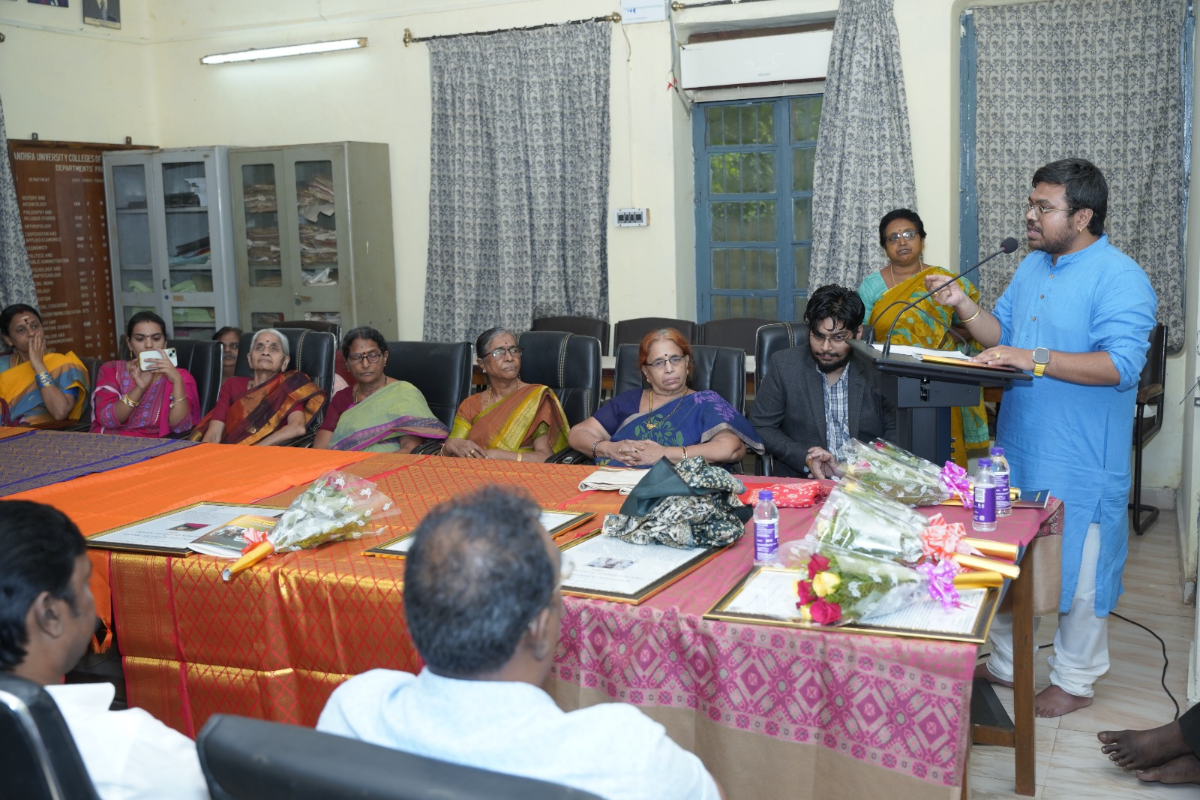
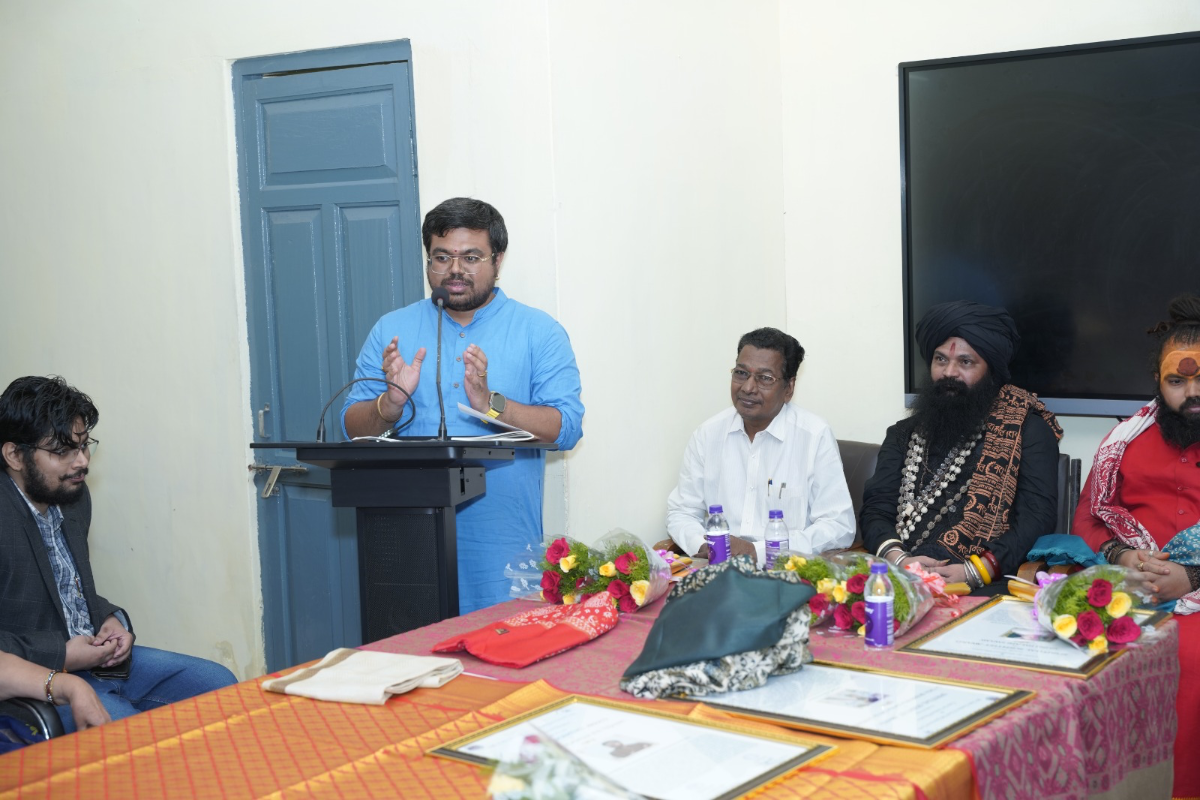
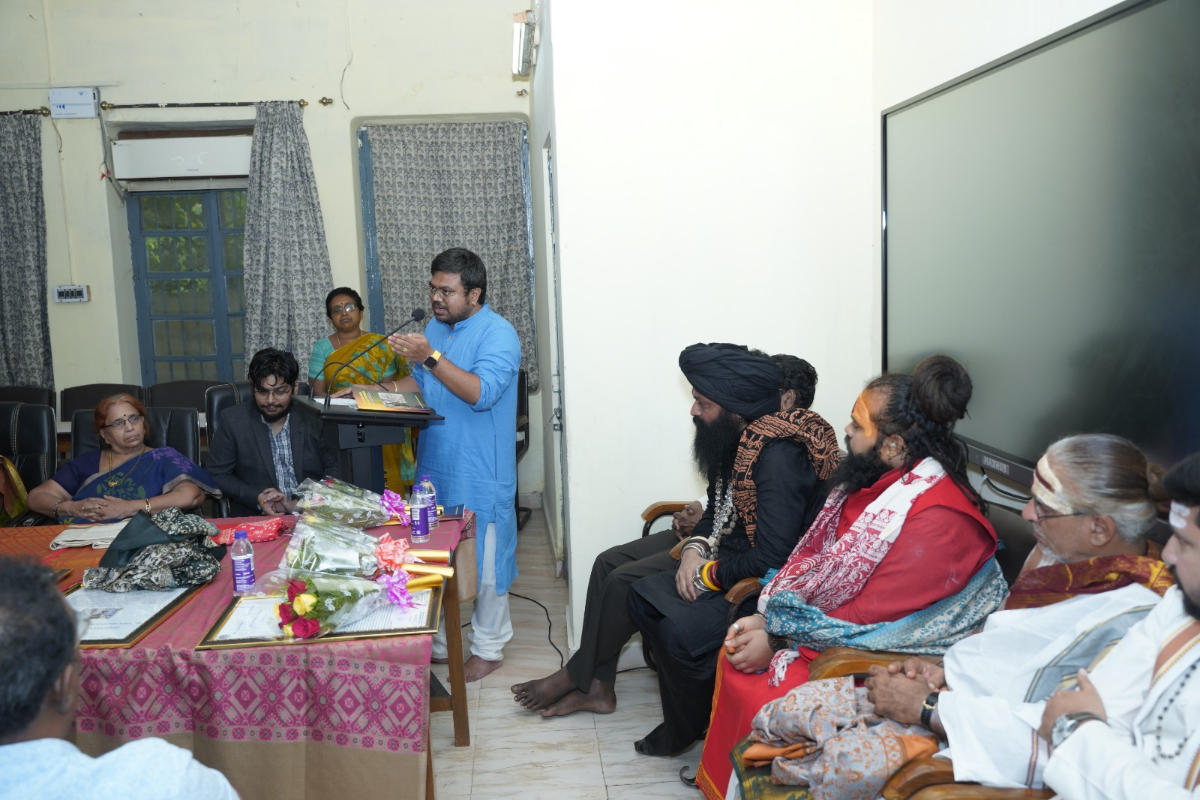
The “Spiritual Scientist” Award, 2024
Conferred by the All India Institute of Local Self Government together with the Centre for Emotional Education, at Andhra University, in the category for promoting Indian Knowledge Systems. Hover to stop the reel; tap any photograph to see it larger.
Questions are welcome — in physics or in Saṃskṛtam
Whether you want a teacher who will take your questions seriously and build a subject from the ground up, or you simply want to know where to start on this site, write to him.